Understanding Pediatric and Occupational Therapy for Kids in Long Island New York: Key Benefits for Children’s Development
As parents and caregivers, we all want the best for our children — especially when it comes to their health, well-being, and development. For some children, traditional milestones like crawling, walking, and speaking may come a bit later or look a little different. When that happens, pediatric therapies such as pediatric therapy and occupational therapy (OT) can play an instrumental role in helping kids build the skills they need to thrive.
But what exactly do pediatric therapy and occupational therapy involve, and how can they benefit children? In this blog post, we’ll explore what these therapies are, who they’re for, and the positive effects they can have on a child’s growth and development.
What is Pediatric Therapy?
Pediatric therapy is an umbrella term that refers to a range of therapies aimed at helping children with developmental, sensory, motor, cognitive, or emotional challenges. These therapies are tailored specifically for children, taking into account their unique developmental stages and needs. Pediatric therapy can include various therapeutic interventions, with two of the most common being occupational therapy and physical therapy.
What is Occupational Therapy for Kids?
Occupational therapy (OT) for children focuses on developing the skills necessary for everyday activities (or “occupations”) that children need to perform at home, school, and in the community. These tasks may range from self-care skills (like dressing or feeding) to social interactions, motor coordination, and even academic performance.
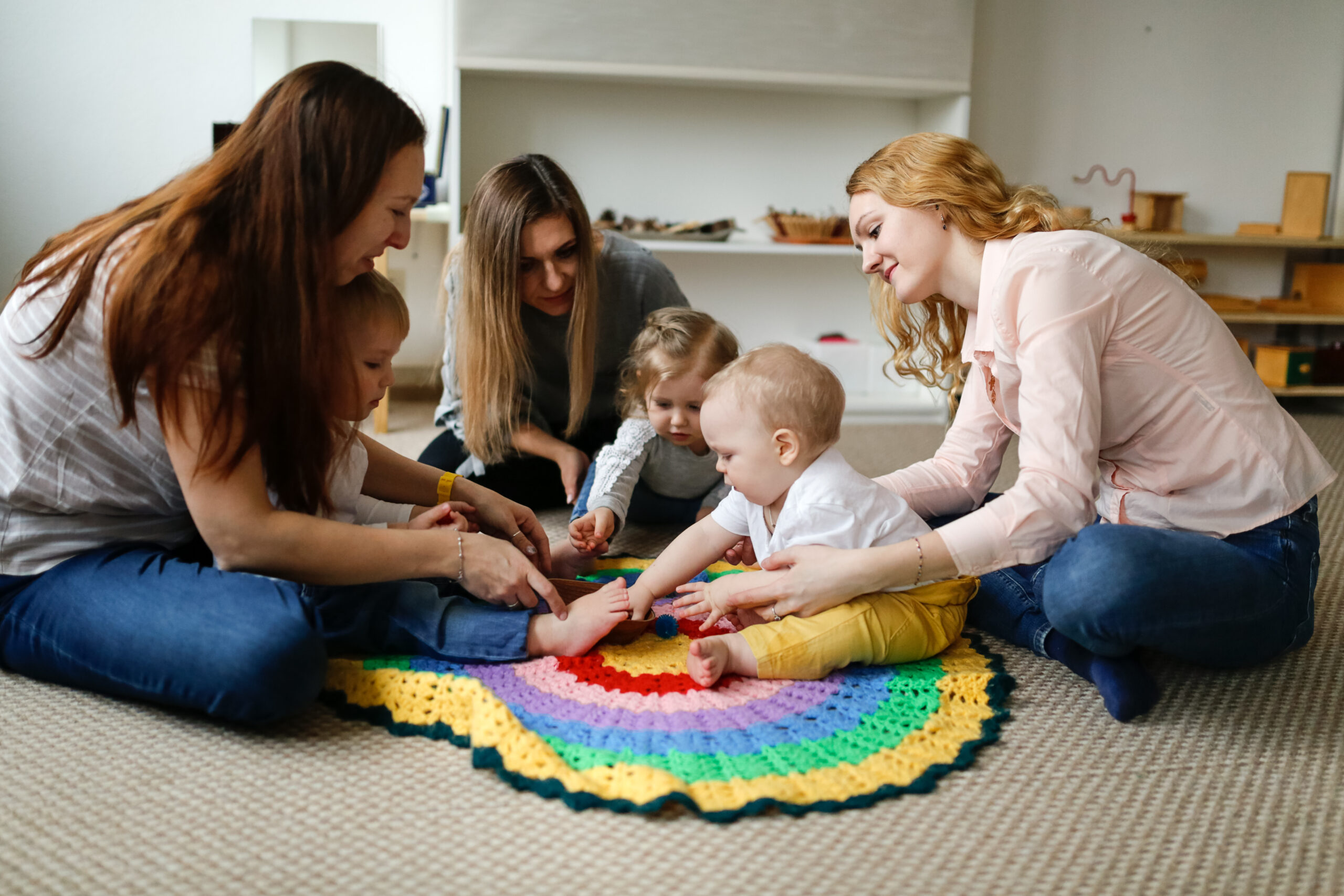
An occupational therapist works with a child to enhance fine motor skills, hand-eye coordination, sensory processing abilities, cognitive function, and even emotional regulation. Therapy is customized to the child’s needs and may involve fun, play-based activities that allow children to learn and grow in a supportive, engaging environment.
Common Reasons a Child May Need OT
While every child is unique, common reasons a child may benefit from occupational therapy include:
- Delays in Fine Motor Skills: Struggling with tasks like handwriting, buttoning a shirt, or using utensils.
- Sensory Processing Issues: Over or under-sensitivity to lights, sounds, textures, or movements.
- Motor Coordination Difficulties: Problems with balance, coordination, or general physical movement.
- Autism Spectrum Disorder (ASD): Challenges with social skills, self-regulation, and adaptive functioning.
- Developmental Delays: Delays in speech, language, or cognitive abilities that impact everyday activities.
- Learning Disabilities: Issues with concentration, attention, or organizational skills that affect school performance.
How Pediatric Occupational Therapy Helps
1. Fine and Gross Motor Skill Development: Occupational therapists help kids develop the strength and coordination needed for everyday tasks. Whether it’s teaching a child how to use a pencil properly or encouraging them to climb on playground equipment, OT provides kids with tools to improve their motor skills in a way that feels playful and fun.
2. Sensory Integration: Many children with sensory processing issues struggle to interpret the world around them. Occupational therapy can provide sensory integration techniques that help children better process sensory input, whether it’s through structured activities or calming strategies.
3. Social Skills and Emotional Regulation: Children learn how to navigate social situations, improve communication, and manage emotions. OT can offer strategies to improve a child’s ability to self-regulate, make friends, and express feelings appropriately.
4. Self-Care Skills: OT helps children master essential life skills like dressing, bathing, brushing teeth, and feeding themselves. These are crucial for fostering independence and boosting a child’s confidence.
The Benefits of Occupational Therapy for Kids
Pediatric OT offers numerous benefits to children of all abilities, from those with special needs to typically developing kids who may simply need a little extra support. Some of the key benefits include:
- Increased Independence: By improving daily living skills, children can become more independent, fostering confidence and a sense of accomplishment.
- Enhanced Cognitive and Social Skills: OT can improve attention, problem-solving, and the ability to work with others. This can lead to stronger social relationships and better success in school settings.
- Improved Motor Function: Through targeted activities and exercises, children can build their strength, coordination, and mobility, which helps them succeed both at play and in school.
- Boosted Self-Esteem: As children learn new skills and overcome challenges, their self-esteem naturally increases, giving them the confidence to face new challenges in the future.
When to Consider Pediatric Occupational Therapy
If you’re noticing signs that your child is struggling with activities of daily living, socialization, or school tasks, it might be time to consider occupational therapy. Some early signs that could indicate the need for OT include:
- Difficulty with tasks requiring hand-eye coordination, like drawing, writing, or eating.
- Avoiding certain activities due to discomfort with textures, sounds, or lights.
- Difficulty following multi-step directions or staying organized.
- Challenges with managing emotions or engaging with peers.
Conclusion: Empowering Children through Therapy
Pediatric occupational therapy is a powerful tool that helps children overcome developmental challenges and unlock their full potential. By focusing on building practical life skills, motor coordination, sensory processing abilities, and emotional regulation, OT can improve a child’s overall quality of life, leading to greater independence and success in all areas of their life.
Whether your child is facing specific developmental challenges or simply needs extra support to thrive, pediatric therapy and occupational therapy can make a world of difference. If you have concerns about your child’s development, consult with a pediatric therapist or your pediatrician to explore how these therapies might benefit your little one.
Ultimately, the goal of pediatric OT is to help children grow into confident, independent individuals who can navigate the world around them with ease and success. By providing a supportive, tailored approach to each child’s needs, therapy empowers kids to become the best version of themselves.
If you found this post helpful, share it with friends and family who might be interested in learning more about pediatric therapy and occupational therapy for kids. Let’s continue to support the growth and development of every child!


Hi, this is a comment.
To get started with moderating, editing, and deleting comments, please visit the Comments screen in the dashboard.
Commenter avatars come from Gravatar.